Featured
Table of Contents
I initially operated in media relations in 2013, back when my job involved lining up spokespeople for picture ops and authorizing press releases that pointed out business partners. A lot has actually altered ever since. Whatever's more scattered than it used to be, the definition of "media" has actually broadened, and the majority of groups have actually had to get much more intentional about where they place their bets.
Significantly, media relations isn't about getting press reporters to compose a story your method. Rather, it's about providing what they require to write for their audience.
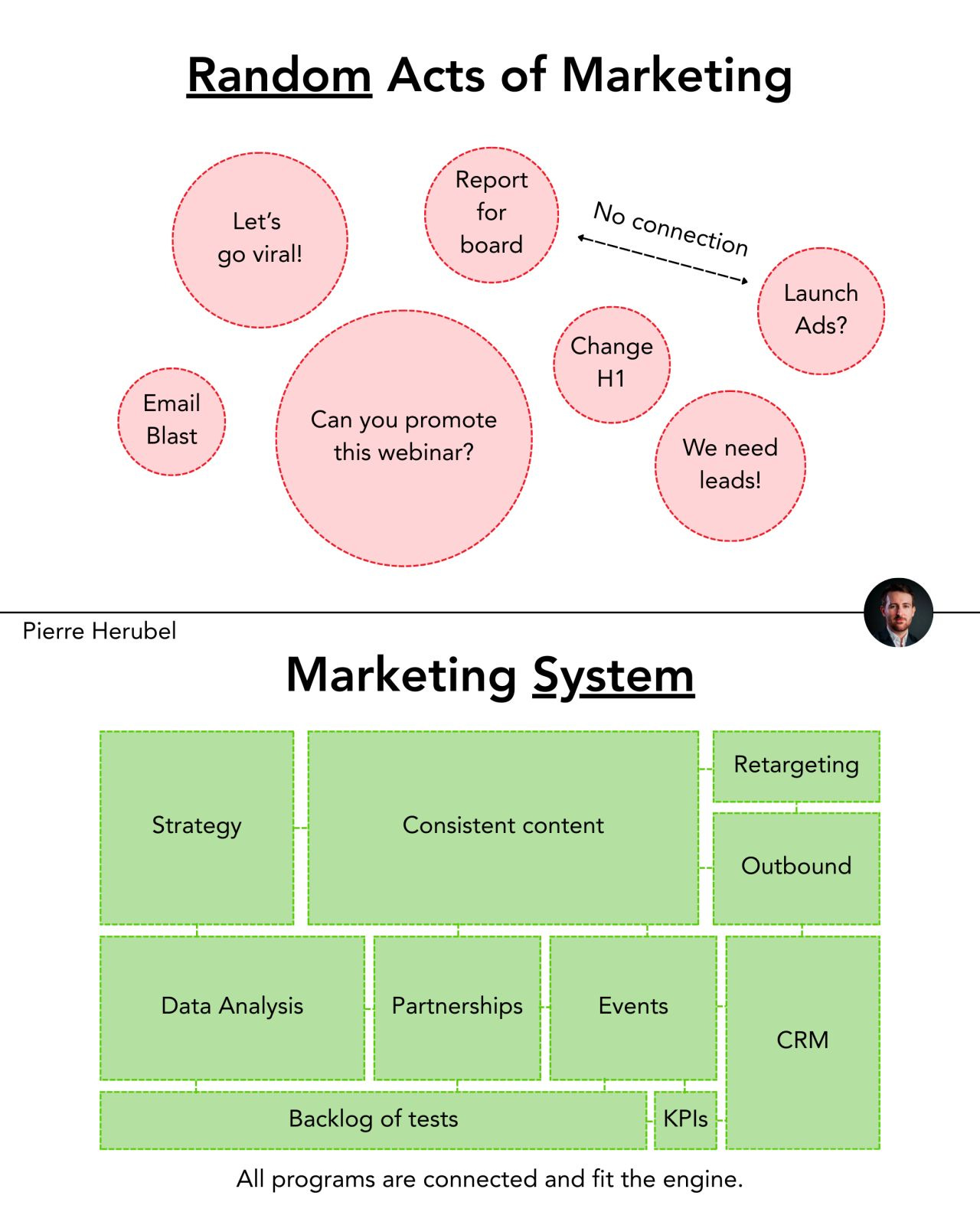
If you operate in PR or media relations, whether internal or agency-side, much of this will most likely feel familiar. This is deliberate. Public relations, PR, has to do with managing how a brand is understood and spoken about over time. Not simply what's stated in a heading or a single positioning, but the build-up of messages and stories people experience across channels (like a business site, newsletters, social media, occasions, and more).
Essential Tips for Better Media Outreach
The same essential messages show up on the website, in newsletters, on social networks, at occasions, and sometimes in the press. The repeating isn't laziness; it's how memory and trust are constructed. Consistency is rarely amazing, but it's doing more than it gets credit for. PR isn't about landing a single splashy hit.
The goal is long-term, sustainable success. Media relations sits inside that broader PR system. It's one channel, an essential one, but still just one. Idea leadership, corporate interactions, awards, partnerships, occasions, they all serve the very same bigger objective of shaping story and demand. If PR is the story you're attempting to inform, media relations is simply among the ways you "turn up the volume." The error I see frequently is treating media relations as the strategy itself rather than a technique within a broader material strategy.
Not controlling the story, not getting your talking points copied verbatim, but using something that truly serves their audience. That sounds apparent, however it's remarkably simple to forget when internal momentum is high/ everybody wishes to "get the word out." And yes, an unexpected amount of your profession will be calmly discussing this over and over again.
Protecting Your Corporate Reputation With Digital ToolsCollaborations, awards, and product launches feel meaningful internally. They enhance morale and signal development. Externally, by themselves, they hardly ever increase to the level of a story. How dangerous are you prepared to be? There's no right or incorrect response, but your task is to discover a balance between what may trigger attention and what's proper, and choose when to share it.
As a reminder, news is information about recent occasions or developments that's timely, appropriate, substantial, and of interest to the general public. When protection does occur, it's usually due to the fact that the announcement links to something bigger, a market shift, a regulative modification, a behaviour pattern, a stress people already appreciate. Data helps.
Why GEO Redefines Brand Visibility
A media set that makes a journalist's life easier helps more than the majority of people realize. Even then, strong pitches do not guarantee coverage. That's the part we don't constantly remember. The hook isn't cleverness; it's value. If you can't articulate why somebody who doesn't work at your business needs to care, you most likely have a subject, not a story.
A large media Rolodex doesn't compensate for a weak angle. Think about it, an outlet's mandate is to provide details that matters to its audience. A great editor will not run a story that's of no interest to anyone other than those at your company.
I look to owned and shared channels rather. There was a time when every statement seemed to require a press release, largely because that was the default circulation mechanism.
Protecting Your Corporate Reputation With Digital ToolsProtecting Your Corporate Reputation With Digital Tools
A press release is a long lasting piece of messaging you manage. Over time, this record becomes a reference point for reporters, partners, experts, and even your own sales group.
I practically always think about statements as prospective structure blocks for a broader material system, client stories, blog posts, sales enablement, and internal alignment. Even when no one selects it up, it's rarely squandered work. What I'm saying is I believe news release are still crucial for reasons unrelated to the media.
Having stated that, I'll continue to focus on made media since I believe it's still the most misinterpreted. Many pitching suggestions on LinkedIn sounds great in theory and falls apart under real conditions. Due dates move. News cycles collide. Spokespeople cancel. Editors change beats without caution. A few patterns I've discovered to trust anyhow: Know your market Knowing your market isn't optional.
Scaling Your Corporate Strategy for 2026
Knowing your industry also helps you determine which outlets, press reporters, and influencers to target. Tip: Set up Google Notifies for industry-related keywords and the kinds of stories you desire to be the very first to understand about. Understand the media Each outlet has its own focus, audience, and style. Some are everything about nationwide breaking news, while others focus on analysis or function long-form storytelling.
It shows instantly when somebody hasn't done their research. How can you craft efficient pitches if you don't know what reporters are covering, what the hot topics are, or where the conversations are heading?! Tip: A news release for a niche or trade publication can consist of more market lingo and acronyms than one for the mass market.
Once again, do your research. Try to find chances to engage with writers on appropriate topics by following their LinkedIn, X (Twitter), and Substack. Develop relationships, not just deals. Idea: If you desire to be successful with flattery, send kudos before you require something, in an e-mail without any asks. Failing that, include something specific you liked about their short article, not simply the headline or that it was terrific.
If a nationwide story is controling the media, hold off otherwise your message, email, or press release may be buried. You can piggyback off national days, regulative or legislative changes, or industry events to offer your business's profile a boost, but use discretion when it comes to a crisis you do not want to be viewed as an opportunist.

Latest Posts
Key PR Trends Every Firm Must Follow
Building Corporate Reputation in An AI World
PR Versus SEO: Winning Strategies for 2026